
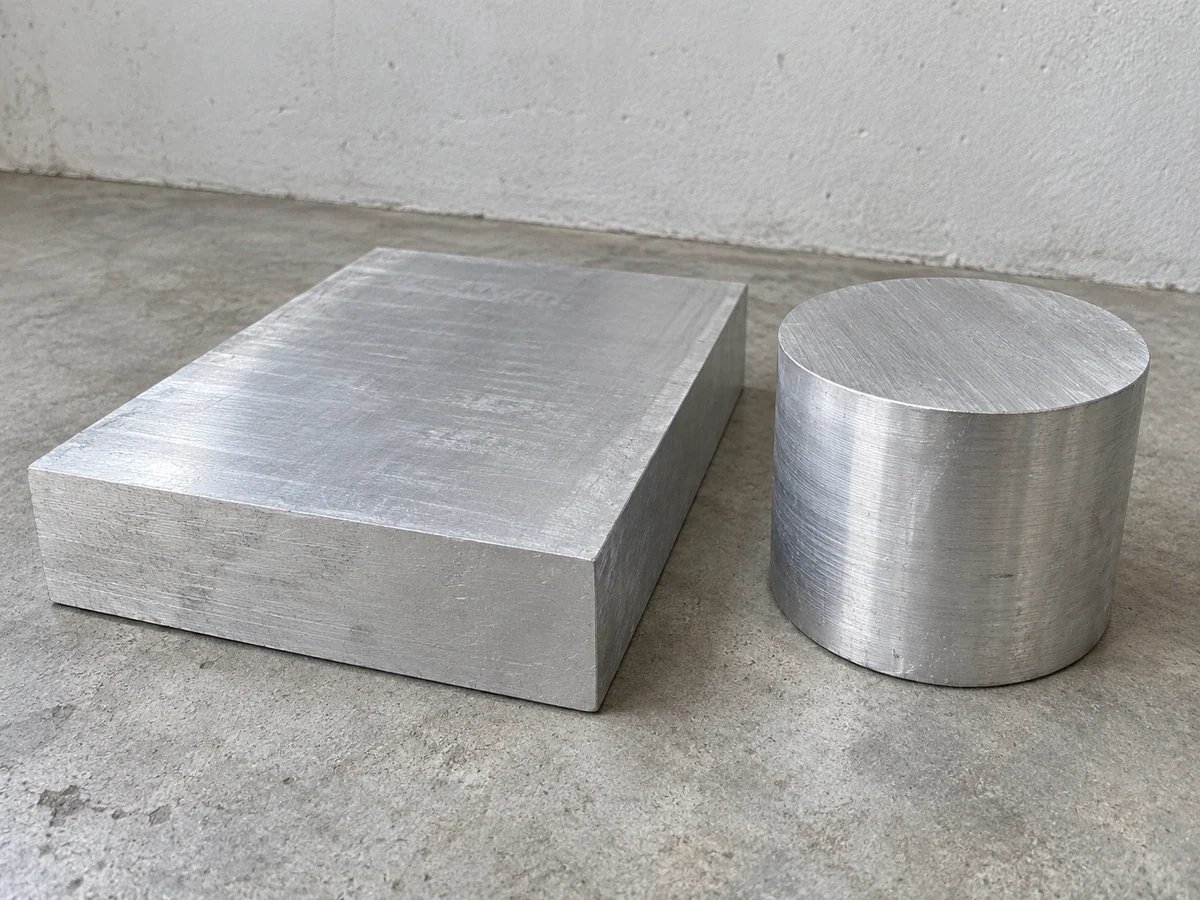
Hard Chrome Plating Process on Aluminum
Aluminum
Hard Chrome Plating Process on Aluminum:
Hard chrome plating on aluminum involves a meticulous cleaning process to remove contaminants. The aluminum is then activated with an acid pickle, followed by nickel striking before immersion in a chromium electrochemical bath. This process enhances corrosion resistance, adds hardness, and provides a distinctive, shiny appearance to aluminum surfaces.
Applications:
Applied to various aluminum components in aerospace, automotive, and industrial settings for enhanced durability.
Nickel Chrome Plating Process on Aluminum:
Nickel-chromium coating systems include a chromium layer over nickel. Electroless nickel is a different process that deposits nickel by chemical reduction. The required coating system and preparation must be reviewed against the aluminum alloy and component specification.
Applications:
Ideal for aluminum components in electronic devices, automotive parts, and industrial equipment.
Flash Chrome Plating Process on Aluminum:
Flash chrome plating is a thin functional chromium deposit for specified component requirements. For aluminum components, review material suitability, grade, drawing, coating specification and coating allowance before selecting the process.
Applications:
For components requiring a specified thin functional chromium deposit, confirm material suitability, surfaces to be coated, coating allowance and acceptance requirements against the drawing.
Satin Chrome Plating Process on Aluminum:
Satin chrome plating on aluminum follows a multi-step process to achieve a distinctive satin finish. The aluminum is cleaned, activated, and immersed in a satin chrome bath, resulting in a matte appearance.
Applications:
Applied where a less reflective, matte finish is desired, such as in automotive and architectural aluminum components.
Satin Nickel Plating Process on Aluminum:
Satin nickel plating on aluminum imparts a satin finish to the nickel layer, combining corrosion resistance with a unique aesthetic.
Applications:
Commonly used in aluminum components for consumer electronics and architectural applications.
Zinc Nickel Plating Process on Aluminum:
Zinc nickel plating on aluminum involves depositing a zinc-nickel alloy on the surface, enhancing corrosion resistance beyond traditional zinc or nickel plating.
Applications:
Utilized in the aerospace industry and other applications where enhanced corrosion protection for aluminum components is crucial.
Anodizing Process on Aluminum:
Anodizing is a common and effective process for aluminum, involving the formation of an oxide layer through an electrochemical process. This layer enhances corrosion resistance and provides options for color customization.
Applications:
Widely used in architectural elements, consumer electronics, and automotive components for corrosion protection and aesthetic appeal.
Diamond Polishing on Aluminum:
Diamond polishing on aluminum involves using diamond abrasive tools to achieve a high level of surface smoothness, resulting in a smooth, reflective finish.
Applications:
Applied in various industrial settings where polished aluminum surfaces are desired for aesthetic and functional purposes.
Electroless Nickel Plating on Aluminum:
Electroless nickel requirements should be reviewed against the aluminum alloy, deposit specification, service environment and dimensional allowance. Electrical and thermal requirements need component-specific assessment.
Applications:
For a proposed electroless nickel application, provide the component drawing, alloy, service conditions and required coating specification for suitability review.
Summary of Common Applications for Aluminum Plating Processes:
Hard Chrome Plating: Aerospace, automotive, and industrial aluminum components.
Nickel Chrome Plating: Electronic devices, automotive parts, and industrial equipment made of aluminum.
Flash Chrome Plating: Specified thin functional chromium deposits, subject to material suitability, grade, drawing and coating allowance review.
Satin Chrome Plating: Automotive and architectural aluminum components.
Satin Nickel Plating: Aluminum components for consumer electronics and architectural applications.
Zinc Nickel Plating: Aerospace industry and applications requiring enhanced corrosion protection for aluminum.
Anodizing: Architectural elements, consumer electronics, and automotive components for corrosion protection and color customization.
Diamond Polishing: Various industrial settings where polished aluminum surfaces are desired.
Electroless Nickel Plating: Aluminum components for electronics, heat exchangers, and automotive parts.
Benefits of Plating Processes on Aluminum:
The plating processes on aluminum offer numerous benefits, including increased corrosion resistance, hardness, electrical conductivity, color options (with anodizing), and improved aesthetics. These enhancements make aluminum suitable for diverse applications across industries.
Considerations for Choosing Plating Processes:
When selecting a plating process for aluminum, factors such as the intended use, environmental conditions, color preferences, and desired aesthetics play a crucial role. Understanding the specific benefits of each process ensures optimal performance.
Conclusion:
In conclusion, the plating processes discussed highlight the versatility and advantages offered by different treatments for aluminum. Whether for functional improvements or aesthetic enhancements, choosing the right plating process enhances the overall performance and appearance of aluminum-based components.